Expert Weight Loss Surgery in Las Vegas and Spring Valley

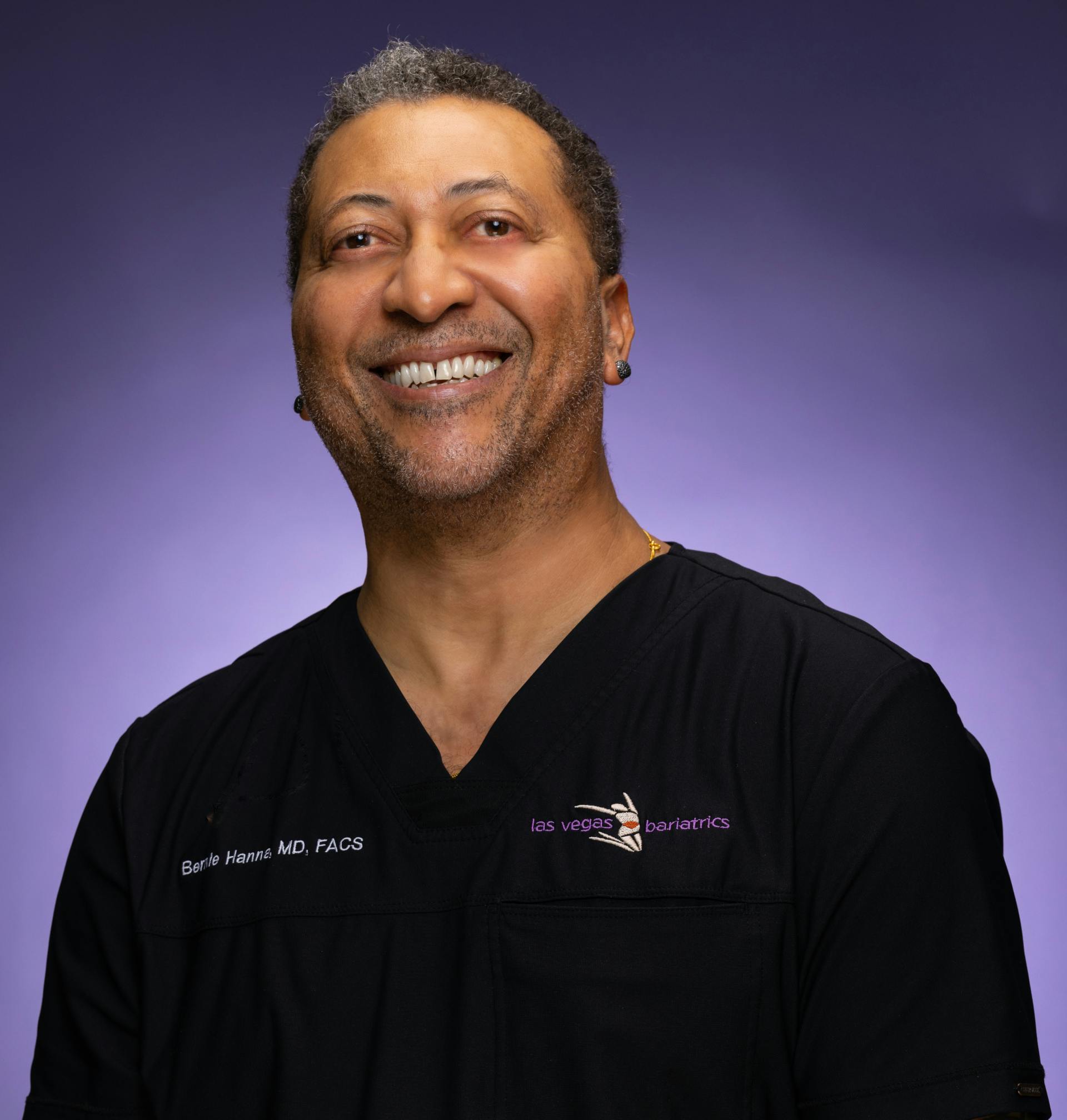
Dr. Bernie Hanna is a highly accomplished Master Surgeon and experienced Las Vegas bariatric surgery provider who has honed his skills through extensive academic training and hands-on residencies. 

His meticulous surgical background enables him to confidently perform sophisticated bariatric procedures in Las Vegas and Spring Valley, providing patients with a path to better health and lasting weight-loss success.

Severe Obesity is a Chronic Condition that is Difficult to Treat with Diet and Exercise Alone

Bariatric surgery is an operation on the stomach and intestines that helps those struggling with obesity lose weight effectively. This surgery is an option for people who cannot lose weight by traditional methods or those who suffer from serious health problems related to obesity. By restricting food intake and promoting metabolic changes, bariatric surgery reduces the risk of various health conditions, including type 2 diabetes, heart disease, and sleep apnea.


Logo media

When is Bariatric Surgery Indicated?

Bariatric surgery is an option for adults who have clinically severe obesity:

  • BMI greater than 40
  • BMI of 30 or greater with serious health problems linked to obesity, such as type 2 diabetes, heart disease, or severe sleep apnea (when breathing stops for short periods during sleep)

Surgery is also considered when medical treatment fails. Usually, patients are on medication for an extended period, and the drug no longer works to control symptoms. You may develop aspiration pneumonia, hoarseness, or a chronic cough.

Banner media

Who is a Good Candidate for Bariatric Surgery?

Having surgery to produce weight loss is a serious decision. Anyone considering this surgery should be educated and understand the entire process. The U.S. National Institutes of Health recommends bariatric surgery for:

  • Obese individuals with a body mass index (BMI) of at least 40
  • Those with a BMI of 35 and severe coexisting medical conditions like diabetes

However, new research suggests it could be appropriate for:

  • Those with a BMI of 35 to 40 with no other coexisting medical conditions
  • Those with a BMI of 30 to 35 and other related and significant medical conditions

Candidacy factors include an answer to whether the patient is:

  • Unlikely to lose weight or keep it off over the long term using other methods
  • Well-informed about the surgery and treatment effects
  • Aware of the risks and benefits of surgery
  • Ready to lose weight and improve their health
  • Aware of how life may change after the surgery (For example, patients need to adjust to side effects, such as the need to chew food well and the loss of ability to eat large meals)
  • Aware of the limits on food choices and occasional failures
  • Committed to lifelong healthy eating and physical activity, medical follow-up, and the need to take extra vitamins and minerals

Types of Bariatric Surgery

Gastric Sleeve (Sleeve Gastrectomy)

The Gastric Sleeve or Sleeve Gastrectomy procedure is a minimally invasive procedure that takes less than an hour to perform. During gastric sleeve surgery in Las Vegas, a thin vertical stomach is created that looks like a banana. The remaining stomach is removed.

Why Choose Gastric Sleeve Surgery?

Sleeve surgery is low-maintenance and has fewer long-term problems. There is a high degree of success and fast weight loss, combined with a low rate of side effects. Procedure Details:

  • Surgery length: 30 to 45 minutes.
  • Hospital stay: Outpatient surgery or one overnight stay.
  • Recovery: Back to work in about one week; walking within a few hours after surgery.
  • Maintenance: No maintenance required, only follow-up with your surgeon and dietitian.

How Is It Different From Gastric Band or Bypass?

There is no foreign body like in Gastric Band surgery. The intestine is not rerouted as in Gastric Bypass Surgery. The normal digestive tract remains intact.

Gastric Band (Lap-Band)

The Gastric Band is a minimally invasive laparoscopic procedure that takes about 30 minutes. During your Las Vegas Lap-Band procedure, an adjustable gastric band is wrapped around the upper part of the stomach, dividing it into a small upper pouch that holds about ½ cup and a larger lower stomach.

Gastric Bypass

Gastric Bypass is also done laparoscopically with tiny incisions. It is the most involved procedure and the oldest of the three procedures. During this procedure, your Las Vegas gastric bypass surgeon creates a small stomach pouch and attaches it to the small intestine, which allows food to bypass a portion of the digestive tract.

Background media

How Bariatric Surgery May Improve Related Health Conditions

Many people considering bariatric surgery also live with conditions commonly associated with excess weight. After surgery, and the weight loss and metabolic changes that follow, many patients see meaningful improvements in these conditions as part of a comprehensive care plan (individual results vary).

Commonly observed improvements include:

  • Type 2 diabetes: Improved blood sugar control; some patients achieve remission under medical supervision.
  • High blood pressure: Better control with the potential to reduce medications over time
  • Cholesterol and triglycerides: More favorable lipid profiles.
  • Obstructive sleep apnea: Fewer breathing events and snoring; CPAP needs may change after re-evaluation.
  • Joint pain and mobility: Less stress on weight-bearing joints with improved comfort and function.
  • Fatty liver (MASLD/NAFLD): Improvements in liver fat and inflammation reported in many patients.

What is the Difference Between Open and Laparoscopic Surgery?

Bariatric surgery may be performed through "open" approaches, which involve incisions placed in the abdomen in the usual manner, or by laparoscopy. With the latter approach, surgeons insert complex instruments through 1/2-inch incisions and guide a small camera that sends images to a monitor. Most bariatric surgery today is laparoscopic because it:

  • Requires a smaller cut
  • Creates less tissue damage
  • Produces earlier hospital discharges
  • Has fewer post-surgical problems, such as hernias

However, not all patients are suitable for laparoscopy. Patients considered extremely obese, have had previous stomach surgery, or have complex medical problems may require the open approach. Complex medical problems may include severe heart and lung disease or weighing over 350 pounds.

Logo media

Medical Costs of Bariatric Surgery

Bariatric procedures, on average, cost from $20,000 to $25,000. Medical insurance coverage varies by state and insurance provider. In 2004, the U.S. Department of Health and Human Services reduced barriers to obtaining Medicare coverage for obesity treatments. Medicare may cover bariatric surgery under these conditions:

  • If the patient has at least one health problem linked to obesity
  • If the procedure is suitable for the patient's medical condition
  • If approved surgeons and facilities are involved
Banner media
Doctor media

Why Choose Las Vegas Bariatrics for Your Bariatric Surgery?

Dr. Bernie Hanna is committed to providing excellence in surgical weight-loss care by exclusively offering procedures and programs that are safe, effective, and beneficial for his patients. 

Dr. Hanna and his professional team deliver comprehensive preoperative evaluations and postoperative care, including nutrition guidance, mental health support, and fitness support, so patients can make the necessary lifestyle changes for long-term success. As a Center of Excellence, we use a multidisciplinary approach that leads to lasting results with minimal complications.

Frequently Asked Questions About Bariatric Surgery

How long will I need to take off work after bariatric surgery?

Will I need to follow a special diet before my bariatric surgery?

Can I get pregnant after bariatric surgery?

Will I have excess skin after losing weight?

What vitamins and supplements will I need to take after surgery?

Can I drink alcohol after bariatric surgery?

How long will I need to take off work after bariatric surgery?

Most patients can return to work within one to two weeks after surgery, depending on the type of procedure and the physical demands of their job. Desk jobs typically allow for earlier return, while positions requiring heavy lifting may require three to four weeks of recovery.

Will I need to follow a special diet before my bariatric surgery?

Yes, most patients are required to follow a pre-operative diet for approximately two weeks before surgery. This typically includes a low-calorie, high-protein liquid diet designed to shrink the liver and reduce surgical risks.

Can I get pregnant after bariatric surgery?

Yes, many patients experience improved fertility after weight loss surgery. However, doctors typically recommend waiting 12 to 18 months after surgery before becoming pregnant. This allows your body to stabilize at a healthier weight and ensures you're receiving adequate nutrition.

Will I have excess skin after losing weight?

Excess or loose skin is common after significant weight loss, particularly if you lose 100 pounds or more. The amount of excess skin varies based on factors like age, genetics, and how much weight is lost.

What vitamins and supplements will I need to take after surgery?

After bariatric surgery, you'll need to take daily vitamins and supplements for life, including a multivitamin, calcium citrate with vitamin D, vitamin B12, and iron. The specific regimen depends on your procedure type and individual needs.

Can I drink alcohol after bariatric surgery?

Alcohol should be avoided for at least six months after surgery. After that, it should be consumed only in moderation, if at all.

Schedule Your Consultation Today!

Contact us today at (702) 384-1160 or click here to schedule your consultation.

Contact us media
Accessibility: If you are vision-impaired or have some other impairment covered by the Americans with Disabilities Act or a similar law, and you wish to discuss potential accommodations related to using this website, please contact our Accessibility Manager at (702) 747-8328.
Are you a candidate?